

 Facebook
 X
 Pinterest
 Copy Link
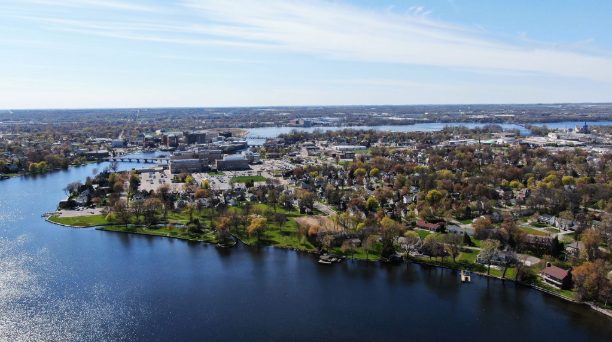
The Complete Burlington, Wisconsin Relocation Guide: Everything You Need to Know Before You Move
By: Vince Devall
If you’re considering a move to Burlington, Wisconsin, you’re looking at one of the more charming small cities in the southeastern part of the state — a place where 19th-century brick storefronts line a riverfront downtown, where chocolate-scented air once drifted from a Nestlé plant that gave the city its nickname “Chocolate City, USA,” and where you can be in downtown Milwaukee or Chicago in well under an hour and a half. Burlington sits at the confluence of the Fox and White rivers, in Racine County (with a small slice extending into Walworth County), and it offers a genuinely rare combination for the Midwest: small-town character, strong schools, low crime, and real affordability, all within commuting distance of two major metros.
This guide covers everything a prospective transplant needs to know: the cost of living, neighborhoods and surrounding areas, the housing market, schools, employers and commuting, climate, things to do, and a practical checklist for making the move. Whether you’re relocating for a job in Milwaukee or Chicago, downsizing your commute stress, or simply looking for a friendlier, more affordable place to put down roots, here’s what to expect.
Don’t Just Read About Burlington—Experience It!
Download your 10 Tourist Destinations in Burlington WI today and see why so many people love calling Burlington home.
Table of Contents
- Burlington at a Glance
- Why People Move to Burlington
- Cost of Living
- Neighborhoods and Surrounding Areas
- Housing Market
- Jobs, Employers, and Commuting
- Schools and Education
- Climate and Seasons
- Getting Around: Transportation
- Healthcare
- Lifestyle, Food, and Things to Do
- Pros and Cons of Living in Burlington
- Moving Logistics and Checklist
- Frequently Asked Questions
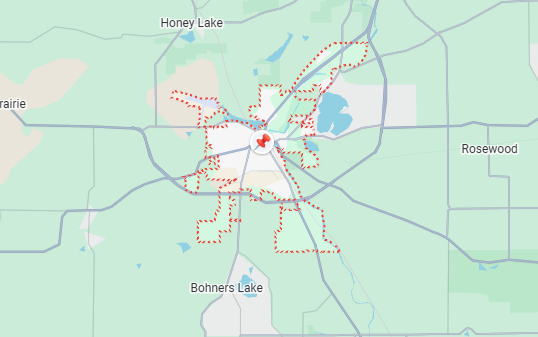
1. Burlington at a Glance
- Population: Roughly 11,000 in the city proper (the broader Burlington area, including unincorporated growth, is sometimes cited closer to 29,000–30,000 depending on the boundary used)
- Counties: Primarily Racine County, with a portion in Walworth County
- State: Wisconsin
- Founded: Originally settled as “Foxville” in the early 1800s, officially named Burlington in 1839, incorporated as a city in 1900
- Nearest major cities: Milwaukee (about 36 miles north), Chicago (about 79 miles south), Kenosha (about 23 miles), Racine (about 20 miles)
- Nearest airport: Milwaukee Mitchell International Airport (MKE), roughly 40–45 minutes away
- Known for: “Chocolate City, USA” (its historic Nestlé chocolate connection), the Spinning Top & Yo-Yo Museum, the Burlington Liars’ Club, and a well-preserved historic downtown along the Fox River
Burlington’s location is really its defining feature. It sits almost exactly between Milwaukee and Chicago via I-43 and I-41/US-12, which makes it a realistic option for commuters who want small-town living without giving up access to big-city jobs, culture, and amenities.
2. Why People Move to Burlington
Most people relocating to Burlington fall into a few overlapping categories: families looking for good schools and a safer, slower-paced environment than Milwaukee, Racine, or Kenosha; commuters who work in the Milwaukee or Chicago metro areas but want more home for their money; retirees drawn to the riverside charm and lower cost of living; and people taking jobs with major regional employers like Aurora Health Care or area manufacturers.
The recurring theme in how locals describe Burlington is “small-town charm with a historic downtown.” It’s a place with a genuine Main Street feel: locally owned restaurants and shops along North Pine Street and the riverfront, a strong sense of community identity, and an unusual number of quirky local institutions for a city its size, including a yo-yo and spinning-top museum and an annual “World’s Biggest Liar” competition hosted by the Burlington Liars’ Club.
3. Cost of Living
Burlington’s cost of living is roughly in line with the national average overall, but the details matter: it runs noticeably cheaper than nearby major metros while housing costs locally have crept up in recent years as more people have discovered the area.
Rough comparison points:
- Cost of living in Burlington is meaningfully lower than Chicago, and substantially lower than coastal cities like Boston, San Francisco, or New York
- Housing costs in Burlington tend to run somewhat above the national average, while transportation and food costs are also a bit elevated, partly reflecting its semi-rural surroundings and reliance on cars
- Energy/utility and general living costs otherwise track close to typical Midwestern norms, though Wisconsin winters mean higher heating bills for several months a year
Income and home values:
- Median household income in Burlington is solidly above the national median, reflecting the area’s mix of professional commuters and stable local employment
- Median home values have been reported in a range from roughly $280,000 to $390,000 depending on the data source and time of year, with newer construction and riverfront lots commanding a premium
- Property taxes are a real factor to budget for; Wisconsin’s property tax rates are on the higher side nationally, and Racine County is no exception
If you’re moving from Chicago or Milwaukee, you’ll likely find your housing dollar stretches considerably further in Burlington. If you’re moving from a lower-cost rural area, expect housing costs to feel like a step up from what you may be used to, since Burlington has become an increasingly desirable spot for commuters in recent years.
4. Neighborhoods and Surrounding Areas
Burlington itself is compact, and most of what people think of as “Burlington living” actually spans the city and a handful of surrounding townships and villages.
Historic Downtown / Riverfront The heart of the city, where the Fox River runs directly through downtown. This area is full of 19th-century brick architecture, locally owned shops and restaurants along North Pine Street, the Malt House Theatre (home to the local Haylofters theater group), and walkable access to parks along the river. This is the neighborhood that gives Burlington its postcard identity, and it’s a popular choice for people who want walkability and historic character.
Near-Downtown Residential Streets Tree-lined streets of well-kept older homes surround the core downtown, offering an easy walk or short drive to shops, schools, and the river. This is a popular choice for families and downsizers who want established character without a long commute to amenities.
Newer Subdivisions and Developments Burlington has seen a wave of newer single-family subdivisions in recent years, including developments like River Glen, which features lots with Fox River views just outside the historic core. These areas appeal to buyers wanting new construction, larger lots, and modern floor plans while staying close to downtown.
Surrounding Townships (Burlington, Lyons, Spring Prairie, Norway) Many people who say they “live in Burlington” actually live in the surrounding unincorporated townships, where larger rural and semi-rural properties are available, often at a lower cost per acre than in-city lots. This is a strong option for buyers wanting space, privacy, hobby farms, or simply more land, while still being a short drive from downtown amenities and the Burlington Area School District.
Nearby Communities Worth Knowing
- Lake Geneva (about 20 minutes west): A well-known resort town with a more upscale, tourist-driven housing market and lake access
- Waterford and Mukwonago (north): Smaller communities with their own small-town character, popular with commuters working toward Milwaukee or Waukesha County
- Kenosha and Racine (east): Larger, more urban options with more diverse housing stock, retail, and job markets, but a step away from Burlington’s small-town feel
5. Housing Market
Burlington’s housing market favors single-family homeownership; renting is a smaller slice of the market here compared to a larger city, and the rental inventory that does exist tends to move quickly.
Buying: Median home prices in Burlington have generally landed somewhere in the high $200,000s to high $300,000s depending on the data source and timing, which is above the Wisconsin state average but still well below comparable homes in Milwaukee’s nicer suburbs or anywhere near Chicago. Newer construction, riverfront lots, and homes in the highly regarded school district tend to command a premium. If you’re considering building rather than buying existing, several local builders are active in newer subdivisions, with raw lot packages often starting around $120,000 before construction costs.
Renting: Rental options are more limited than in a larger metro, with most rental stock being smaller apartment buildings, townhouse-style complexes, and a scattering of single-family rentals. Given the smaller pool of listings, it’s worth starting your search early and being ready to move quickly on a good unit. Local real estate agents and property management companies are often a more productive route than national rental sites for finding inventory here.
Taxes: Wisconsin’s property tax rates are higher than the national average, and that holds true in Racine County. Factor property taxes seriously into your housing budget, especially if you’re coming from a state with lower rates.
Your Burlington Adventure Starts Here
Grab your 10 Tourist Destinations in Burlington WI for an insider’s look at the area’s top attractions, neighborhoods, dining, and more.
6. Jobs, Employers, and Commuting
Burlington’s local economy is anchored by healthcare and manufacturing, but its real employment story is its position as a commuter town for two major metro job markets.
Major local employers include:
- Aurora Health Care, which brings a significant number of healthcare jobs into the local economy and serves as one of the area’s largest employers
- Lavelle Industries, a plastics manufacturer with deep local roots
- A base of manufacturing, logistics, and small-business employers typical of southeastern Wisconsin’s industrial corridor
Commuting: A substantial share of Burlington residents commute outside the city for work, and the daytime population actually shrinks as workers head out toward Milwaukee, Racine, Kenosha, and even the northern Chicago suburbs. The city sits along I-43 (Milwaukee-bound) and US-12/I-41 corridors (Chicago-bound), making it realistic to work in either metro while living in Burlington, though the trade-off is a longer daily commute, typically averaging in the 20-25 minute range locally but considerably longer for those commuting all the way into Milwaukee or Chicago proper.
For remote workers, Burlington offers an appealing setup: small-town living and lower costs without sacrificing proximity to major-metro flights, culture, and amenities when you need them.
7. Schools and Education
Education is one of Burlington’s strongest selling points for families. The Burlington Area School District serves the city and surrounding townships and consistently earns solid performance ratings, with public schools in the area rated above average by independent school-rating services.
Key schools include:
- Burlington High School, the district’s comprehensive public high school, with roughly 1,200+ students and a favorable student-to-teacher ratio
- Nettie E. Karcher School (grades 7–8) and Dr. Edward G. Dyer School (grades 4–6), serving as the district’s middle-grade schools
- Several elementary schools, including Waller, Cooper, and Winkler, serving different parts of the district
- Catholic Central High School, a private Catholic option for families seeking a faith-based education
Families relocating with kids should research exactly which school feeds into which address, since the district draws from a fairly large geographic area spanning the city and several surrounding townships. For higher education, Burlington doesn’t have its own college, but it’s within reasonable driving distance of University of Wisconsin–Whitewater, the College of Lake County, and Waukesha County Technical College, with the much larger UW-Milwaukee and UW-Parkside campuses also accessible for commuter students.
8. Climate and Seasons
Burlington has a classic Midwestern four-season climate, and like much of southeastern Wisconsin, it means real winters and genuinely pleasant summers.
Winter (December–March): Cold and snowy, with average highs around the freezing mark and lows regularly dropping into the teens or single digits. Snow is a consistent presence, and some lake-effect-influenced systems can intensify snowfall totals. Good winter tires, a reliable snow removal plan, and proper cold-weather gear are essentials, not luxuries.
Spring (April–May): Variable and often wet, with a gradual warm-up. The Fox and White rivers running through and near the city mean some properties carry flood risk during spring snowmelt and heavy rain events, which is worth investigating closely if you’re buying near the river.
Summer (June–August): Warm and often humid, with highs typically in the low 80s°F, and regular thunderstorms. This is peak season for the area’s lakes, rivers, and outdoor festivals.
Fall (September–October): Widely considered one of the most attractive times of year, with crisp temperatures and strong foliage color along the river corridors and surrounding farmland.
Tornado risk in the Burlington area runs somewhat above the national average, consistent with much of the Midwest’s “tornado alley” extension into southeastern Wisconsin, so it’s worth knowing your home’s basement/shelter situation and the local severe weather alert systems.
9. Getting Around: Transportation
Burlington is a car-dependent community, more so than a larger city, and that’s an important expectation to set going in.
- Driving: The vast majority of residents rely on personal vehicles for daily life, commuting, and errands. The city’s location along I-43 and US-12 makes regional driving fairly efficient, but there is no extensive local public transit network comparable to what you’d find in Milwaukee or Chicago.
- Walkability: The historic downtown core is genuinely walkable, with shops, restaurants, and the riverfront all accessible on foot if you live nearby. Outside that core, walkability drops off quickly, and most newer subdivisions and surrounding townships are not designed for car-free living.
- Biking: The Fox River Parkway trail system and other local paths offer good recreational biking, though biking as primary transportation is limited outside the immediate downtown area.
- Air travel: Milwaukee Mitchell International Airport is the closest major airport, roughly 40–45 minutes away, offering a solid range of domestic flights. Chicago’s O’Hare and Midway airports are also reachable in under two hours, giving residents unusually good access to international and discount carrier options for a small city.
If you’re relocating from a major city and used to transit, expect to need a car (or two, for a family) to function day-to-day in Burlington.
10. Healthcare
Aurora Health Care has a significant presence in and around Burlington, providing local access to primary and some specialty care. For more extensive or specialized medical needs, residents typically travel to larger health systems in Milwaukee, Racine, or Kenosha, all within a reasonable driving distance. This is a fairly normal trade-off for a small city of Burlington’s size: solid everyday healthcare access locally, with bigger-city hospitals and specialists a short drive away when needed.
11. Lifestyle, Food, and Things to Do
Burlington’s identity is built around its river, its history, and a handful of genuinely distinctive local attractions.
The Fox River and outdoor recreation: The river runs directly through downtown and shapes much of daily life here, from riverside parks and the Fox River Parkway trail system to kayaking and canoeing on both the Fox and the nearby White River. Brown’s Lake, just outside the city, offers public beach access for swimming and boating, and the Pike River Pathway provides additional hiking and wildlife-watching opportunities.
Quirky local institutions: Burlington punches above its weight in offbeat charm. The Spinning Top & Yo-Yo Museum, run out of a historic downtown building, features thousands of antique and modern tops, yo-yos, and gyroscopes, with hands-on demonstrations from a well-known local collector. The Burlington Liars’ Club, founded in the 1920s, has crowned a “World’s Champion Liar” every year for decades, drawing national media attention to this small city each January. There’s also a Logic Puzzle Museum and an indoor RC car racing track downtown, both reflecting the city’s collection of small, dedicated hobbyist institutions.
Food and drink: Locals are proud of Burlington’s family-owned restaurant scene, including local diners, Italian spots, supper clubs, and a Friday night fish fry tradition that’s a Wisconsin institution in its own right. The city has a couple of local breweries and a wine bar, along with well-regarded local spots for burgers and ice cream.
Chocolate City legacy: Burlington’s “Chocolate City, USA” nickname comes from its decades-long association with Nestlé chocolate production. While the manufacturing landscape has shifted over the years, the identity and community pride tied to that history remain a notable part of how the city sees itself.
Arts and entertainment: The Malt House Theatre hosts live theater through the local Haylofters group, and downtown’s historic Plaza Theater adds to the small but real cultural scene. For bigger entertainment, Milwaukee and Chicago are both within striking distance for concerts, professional sports, and major cultural institutions.
12. Pros and Cons of Living in Burlington
Pros:
- Genuine affordability relative to nearby Milwaukee and Chicago
- Strong, above-average public schools through the Burlington Area School District
- Low crime rates well below national and regional averages
- Charming, walkable historic downtown along the Fox River
- Realistic commuting distance to two major metro job markets
- Strong sense of small-town community and local identity
- Good outdoor recreation via the river, nearby lakes, and trail systems
Cons:
- Limited public transit; a car is essentially required
- Rental housing inventory is limited compared to larger cities
- Property taxes run higher than the national average
- Real Wisconsin winters, with significant cold and snow for several months
- Above-average tornado risk for the region
- Fewer big-city amenities, nightlife, and entertainment options locally, requiring a drive to Milwaukee or Chicago for major events
- Some properties near the rivers carry flood risk worth investigating before buying
13. Moving Logistics and Checklist
Before you move:
- Decide whether you want in-city walkability, a newer subdivision, or a surrounding township with more land, and target your search accordingly
- If buying near the Fox or White River, research flood risk and flood insurance requirements for the specific property
- Get pre-approved for a mortgage and budget realistically for Wisconsin’s property tax rates
- If renting, start early and work with a local agent or property manager given the smaller rental inventory
- Research which Burlington Area School District schools and boundaries apply to any address you’re considering
- If commuting to Milwaukee or Chicago, map out realistic drive times during both rush hour and off-peak to set expectations
- Budget for winter readiness: snow tires, a snowblower or plowing service, and proper cold-weather gear
After you arrive:
- Register your vehicle and obtain a Wisconsin driver’s license through the DMV
- Register to vote if eligible
- Set up utilities for your specific address (providers can vary between in-city and township locations)
- Find a local primary care provider, particularly if you’ll rely on Aurora Health Care or a Milwaukee/Racine-based system for specialty care
- Explore downtown, the riverfront, and the local trail system to get oriented
- Check out a few local institutions — the Spinning Top & Yo-Yo Museum or a Friday fish fry are good ways to get a feel for the community quickly
14. Frequently Asked Questions
Is Burlington, Wisconsin a good place to live? For families and commuters who value safety, good schools, affordability relative to Milwaukee and Chicago, and a strong small-town identity, Burlington consistently rates well. It’s a better fit for people comfortable with a car-dependent lifestyle and real winters than for those who want urban transit and year-round mild weather.
How far is Burlington from Milwaukee and Chicago? About 36 miles (roughly 40–50 minutes) from downtown Milwaukee, and about 79 miles (roughly an hour and a half, traffic dependent) from downtown Chicago.
Is Burlington expensive? It runs close to the national average overall and is meaningfully cheaper than Chicago and the coastal cities, though housing costs have risen in recent years as the area has become more popular with commuters, and Wisconsin’s property taxes are on the higher side nationally.
Do I need a car? Yes, for almost anyone outside the immediate downtown core. Public transit is minimal, and daily life, from grocery shopping to commuting, generally requires a vehicle.
What is Burlington known for? Its historic Fox River downtown, the nickname “Chocolate City, USA” tied to its Nestlé chocolate history, the Spinning Top & Yo-Yo Museum, and the Burlington Liars’ Club, which crowns a “World’s Champion Liar” annually.
Are the schools good? Yes. The Burlington Area School District generally receives above-average ratings, and it’s a significant draw for families relocating to the area.
Is Burlington safe? Yes, crime rates in Burlington are well below national averages for both violent and property crime, and it’s commonly cited as one of the safer small cities in southeastern Wisconsin.
Burlington offers a trade that’s becoming harder to find: real affordability and small-town community without giving up access to major-metro jobs and amenities. It asks you to accept a car-dependent lifestyle and committed Midwestern winters in return, but for families and commuters chasing that balance, it’s a strong contender on the map between Milwaukee and Chicago.
Get to Know Burlington Like a Local
Download my 10 Tourist Destinations in Burlington WI and explore the community before you buy your next home.
